Our Story

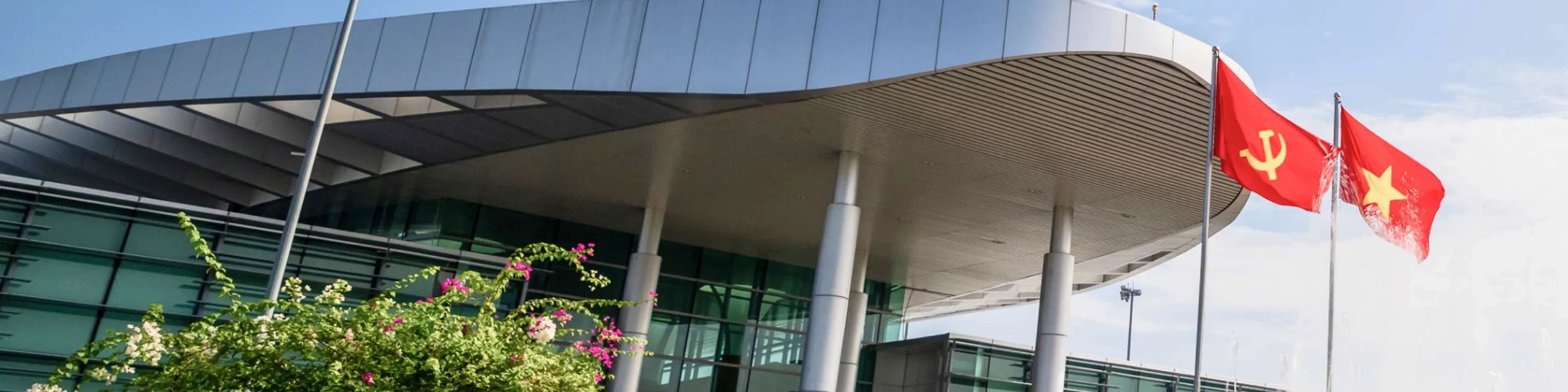
As a civil airport combined with military flight operations, in which the civil area is located in the South and the military area is located in the North of the runway, Noi Bai International Airport is allowed to receive regular and irregular flights, private aircraft, operating 24/24 hours.

Noi Bai International Airport was established on February 28, 1977 under Decision No. 239/QD-TC, dated February 28, 1977 of the General Department of Civil Aviation of Vietnam, to meet domestic and international transportation needs, serving the work of rebuilding the country after the war and carrying out two strategic tasks: building socialism and defending the socialist fatherland.


1977
1978
1984
1993
1995
2001
2011
2012
2014
2016
2020
2024
2025
2026
Year Marker 1977
Approval of the investment project

Approval of the investment project

The government officially approved the investment project for the construction of Passenger Terminal T1 at Noi Bai International Airport, marking the beginning of the modernization process of the airport.

Establishment of Noi Bai Civil Airport

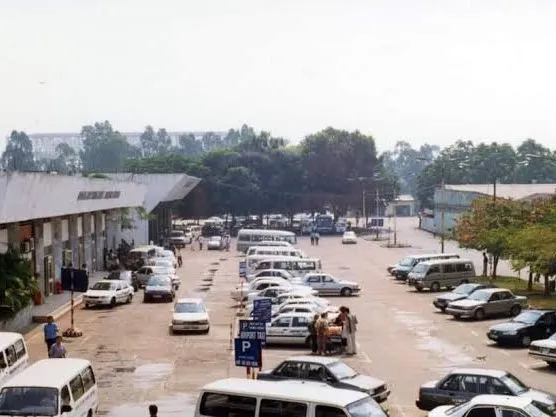
Officially established on the grounds of an old military airbase, Noi Bai Civil Airport (now Noi Bai International Airport) shouldered a historic mission: To become an international gateway, effectively serving the country's post-war reconstruction.

Year Marker 1978
Officially inaugurated Terminal T1

Officially inaugurated Terminal T1

Put into operation Terminal T1 with modern equipment, initially designed capacity of 6 million passengers/year.

The First International Commercial Flight

Welcomed the Trident flight from Beijing landing safely, officially commencing international flight operations. Initially, the Airport maintained 9 flights per week, connecting the Capital with the Soviet Union, the German Democratic Republic, China, and Laos.

Year Marker 1984
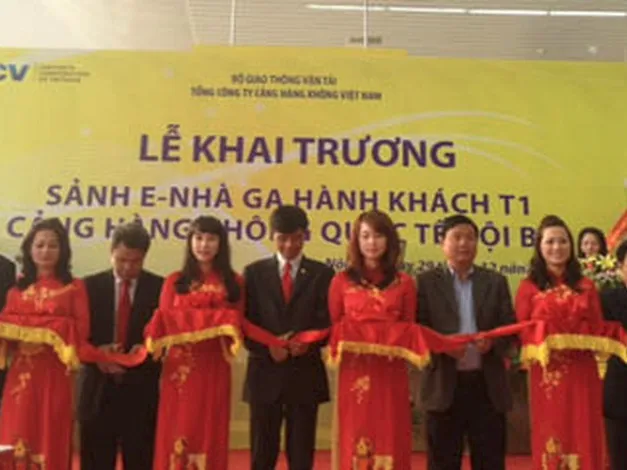
Inauguration of Hall E

Inauguration of Hall E

Inauguration and putting Hall E into operation, helping to reduce the load on Terminal T1 and increasing the total service capacity to 9 million passengers per year.

Infrastructure Completion - Expanded Management Role

Following the successive commissioning of key facilities such as Terminals G4, G3, G2, and Aircraft Maintenance Hangar A76, Noi Bai International Airport was officially assigned the primary responsibility of managing and operating all civil airports in the Northern region.

Year Marker 1993

Mechanism Innovation - Enhanced Autonomy

Establishment of the Northern Airports Authority, transforming into a revenue-generating public service unit. In 1998, the Airport further transformed into a State-owned public utility enterprise, continuously optimizing its governance capacity.

Year Marker 1995
Khởi động và tiến hành dự án Cảng

Khởi động và tiến hành dự án Cảng

Khám phá chặng đường từ những ngày đầu khởi công xây dựng đến khi chính thức khánh thành Nhà ga hành khách T1, đánh dấu bước ngoặt quan trọng trong lịch sử phát triển của Cảng HKQT Nội Bài

Year Marker 2001

Inauguration of Passenger Terminal T1

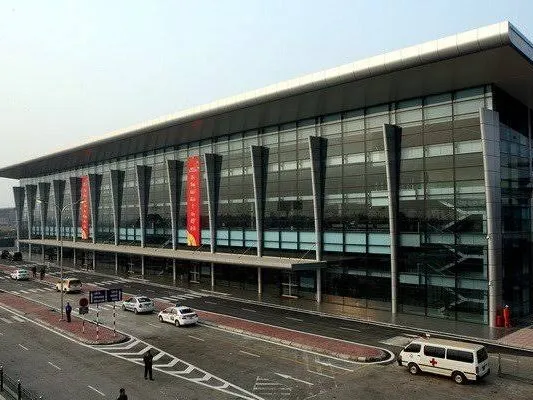
Inauguration of Terminal T1, independently designed and constructed by Vietnamese. Shortly thereafter, the construction of Runway 1B commenced, equipped with modern navigation systems, ready to accommodate wide-body aircraft.

Year Marker 2011
Groundbreaking ceremony for the construction of Terminal T2

Groundbreaking ceremony for the construction of Terminal T2

The groundbreaking ceremony for the project was held solemnly with the cooperation and ODA loan from the Government of Japan, marking a significant step in large-scale infrastructure development.

Year Marker 2012

Integration into Airports Corporation of Vietnam

Airports Corporation of Vietnam (ACV) was established based on the consolidation of the Northern, Central, and Southern regions, creating a launchpad to concentrate resources for large-scale aviation infrastructure investment nationwide.

Year Marker 2014
Inauguration and commercial operation

Inauguration and commercial operation

Terminal T2 officially commenced operations, specializing in international flights with a modern management system and a capacity of 10 - 15 million passengers per year.

Perfecting the Capital's Gateway Appearance

Commissioned the International Terminal T2 and VIP Guest House A, continuing the success of the E Concourse project (2013). Combined with the Vo Nguyen Giap Expressway, the transportation network connecting to the center of the Capital was shortened in record time.

Year Marker 2016

Making a Mark on the Global Aviation Map

For the first time, ranked in the Top 100 World's Best Airports and honored as the World's Most Improved Airport by the prestigious organization Skytrax, demonstrating the relentless efforts to elevate service quality.

Year Marker 2020

Standing Firm Through the Pandemic

Became a safe "steel shield", maintaining a seamless aviation supply chain during the pandemic. On November 24, 2020, Noi Bai International Airport officially became the first airport in Vietnam to be awarded the Airport Health Accreditation (AHA) by the Airports Council International (ACI).

Year Marker 2024

Commencement of Terminal T2 Expansion (Phase 2)

Officially commenced the expansion project of International Passenger Terminal T2, ready to enhance operational capacity to meet the robust growth of the aviation industry in the new era.

Year Marker 2025

Infrastructure Completion - Elevating Experience

Inaugurated the expansion project of Passenger Terminal T2, increasing its serving capacity to 15 million passengers/year. Concurrently, the Airport synchronized multiple functional renovation items of Passenger Terminal T1, creating a more spacious and comfortable environment.

Year Marker 2026

Conquering 4-Star Standards - Towards 50 Years of Establishment

Proudly ranked in the Top 10 World's Best Airports (30-40 million passengers category) and marked the 8th time being ranked in the Top 100 World's Best Airports (as of 2026). Simultaneously, the Airport pioneered in Vietnam by achieving the Airport Carbon Accreditation (ACA) Level 1 (Mapping) global carbon management certification. The Airport is dedicating its resources to comprehensively upgrading infrastructure and services, determined to conquer the 4-star standard to welcome the 50th anniversary of its establishment.